South African food is gaining real momentum in Dubai. The cuisine blends Cape Malay spice traditions, Dutch settler recipes, Indian flavors, and indigenous African cooking into something genuinely hard to categorize. Dubai’s growing South African expat population, appetite for experience-led dining, and love of live-fire grilling all make this a natural fit. Think smoky Braai pits, slow-cured Biltong, and spiced Bobotie in places like Dubai Marina and Downtown. This article covers the food itself, what’s driving the trend, where to eat, and answers the most common questions diners ask before they go.
What Is South African Cuisine: Unpacking Its Multicultural Roots and Flavor Profiles
South African food is not a single tradition. It is the result of centuries of cultural overlap, and that layering is exactly what makes it compelling. Cape Malay cooking brought cardamom, turmeric, and tamarind into everyday kitchens during the 17th century, when enslaved people from Southeast Asia were brought to the Cape Colony. Dutch settlers introduced preserved meats, slow braises, and dairy-based desserts. Indian laborers, particularly those brought to KwaZulu-Natal in the 1860s, left a permanent imprint on the spice palette. Indigenous Nguni and Sotho cooking traditions added open-fire techniques and fermented foods that still hold their place today.
The result is a cuisine that feels both familiar and unexpected. Warm spice without aggression. Meat cooked slowly over fire. Sweetness appearing where you would not predict it. The balance between those elements is what surprises most first-time diners.
What Are the Core South African Dishes Every Dubai Diner Should Know?
Biltong: Air-dried, spiced beef or game meat. Cured with vinegar, coriander, and salt rather than heat. Different from jerky in texture and method.
Bobotie: A Cape Malay minced meat bake, seasoned with curry powder and apricot jam, finished with an egg custard topping. Rich and faintly sweet.
Bunny Chow: A Durban-born street food. Hollowed-out bread filled with curry. Loud flavors, simple format. The Indian community’s most lasting contribution to South African street food culture.
Koeksisters: Braided dough, deep-fried, soaked in cold syrup. The Cape Malay version is spiced with cinnamon and coconut. The Afrikaner version is tightly plaited and glossy with syrup. Both are worth trying.
Pap and Chakalaka: Maize porridge (pap) paired with chakalaka, a spiced tomato and bean relish. Humble on paper. Genuinely satisfying on a plate.
Why Is South African Food Booming in Dubai Right Now?
The short answer: the right people, the right moment, and the right city. Dubai has roughly 200,000 South African residents and a broader GCC expat network that treats the city as a second home. That community has purchasing power and a strong preference for authentically sourced, familiar food. Restaurateurs have noticed.
Beyond the demographic logic, there is a broader shift in how Dubai’s food scene works. Concept dining and destination restaurants still dominate the top end. But a growing slice of the market wants something more grounded. Food that has a cultural story behind it, that connects to a place and a people. South African cuisine delivers that without needing to dress itself up.
Meat-forward menus also land well in the Gulf. High-quality beef and game, cooked over fire, with communal serving styles. That format resonates with local and regional dining culture in a way that more delicate or technique-heavy cuisines sometimes do not.
You May Also Like: Seafood Platters for Sharing | How to Impress Your Friends in Dubai
The Social Appeal of the Braai: Why South African BBQ Culture Fits Dubai’s Outdoor Dining Scene
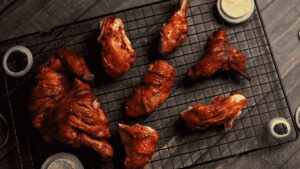
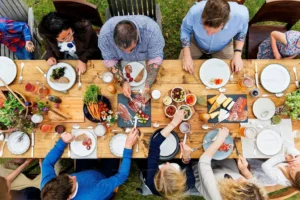
A Braai is not a barbecue in the typical sense. In South Africa, it is a gathering. The fire takes time to build. People drink, talk, and stand around while the meat cooks. The host does not disappear into the kitchen. Everyone participates. That social format maps onto Dubai’s premium outdoor hospitality culture with surprising ease.
Dubai’s rooftop venues, waterfront terraces, and resort-style dining spaces were built for exactly this kind of experience. Add the cooler months from October to March, and a slow, fire-centered meal becomes genuinely inviting. The Braai is not just a cooking method. It is a reason to stay at the table longer.
Braai vs. Middle Eastern Mixed Grill: How the Two Traditions Compare
Both traditions center on fire, quality meat, and communal eating. But the details tell different stories.
| Feature | South African Braai | Middle Eastern Mixed Grill |
|---|---|---|
| Fire Source | Hardwood and charcoal, specifically Acacia/Kameeldoring | Charcoal, sometimes fruitwood |
| Marination Style | Dry rubs, salt, coriander, pepper. Minimal wet marinade | Heavy on lemon, garlic, herbs. Often 12-24 hour wet marinade |
| Primary Cuts | Boerewors (sausage), lamb chops, sosaties (skewers), steak | Shish tawook, kofta, lamb ribs, shawarma cuts |
| Spice Profile | Earthy, smoky, subtle heat | Aromatic, bright, heavy on cumin and allspice |
| Serving Style | Family-style, no rush. Food comes off the fire gradually | Platters, often with mezze, flatbread, and dips alongside |
| Social Ritual | Host grills in front of guests; fire-building is part of the event | Often catered or served by staff in restaurant settings |
| Typical Duration | 2 to 4 hours | 1 to 2 hours |
The comparison is not about which tradition is superior. They share a common respect for fire and the patience that comes with it. What differs is the ceremony around the meal. South African Braai culture is deliberately unhurried. That is the point of it.
Where to Find the Best South African Restaurants and Steakhouses in Dubai
Dubai’s South African food scene has expanded noticeably over the last few years. Here is where it actually holds up.
The Butcher Shop & Grill is the clearest benchmark. Originally a Johannesburg institution, it brought its dry-aged beef program and butcher-counter format to Dubai with locations in Mall of the Emirates and other sites. The ribeye gets attention for good reason. The Boerewors sausage is a reliable order if you want something distinctly South African rather than just a well-executed steak.
For a more relaxed, neighborhood feel, a handful of spots in Dubai Marina, JBR, and the broader JLT cluster cater specifically to the South African expat crowd. Menu items often include Biltong boards, Braai platters for sharing, and imported South African wines, particularly Chenin Blanc and Pinotage, which pair better with this food than most people expect.
Biltong shops and delis are also worth tracking down, especially if you want to eat well without booking a restaurant. Several specialty stores across Dubai stock properly cured Biltong, droewors, and Cape Malay spice blends. They function as both retail and informal snack destinations.
A practical note: availability and menus do shift. Worth calling ahead or checking current listings before visiting.
Braai vs. BBQ: A Quick Data Reference
| Factor | South African Braai | American BBQ | Middle Eastern Grill |
|---|---|---|---|
| Wood Type | Kameeldoring / Acacia hardwood | Hickory, mesquite, oak | Charcoal, fruitwood |
| Avg. Cook Time | 45 to 90 min active grilling | 4 to 14 hours (low-and-slow) | 20 to 40 min |
| Signature Protein | Boerewors, lamb chops | Pulled pork, brisket | Kofta, shish tawook |
| Serves Best As | Communal event | Catered or takeaway | Restaurant platter |
| UAE Popularity | Rising fast (2023 to present) | Established but niche | Mainstream |
Ready to Explore South African Cuisine in Dubai? Here Is Where to Start
South African food has quietly earned its place in Dubai’s dining conversation. It is culturally specific, fire-driven, and built around the idea that eating is a shared event rather than a transaction. The flavors are bold but not aggressive. The format suits Dubai’s social dining habits well. And the growing South African community in the city means the demand for authenticity is keeping standards honest.
Whether you are visiting for the Braai experience, looking for proper Biltong, or curious about Bobotie for the first time, the scene is worth exploring while it is still finding its shape.
Looking for recommendations, reservations, or food event coverage in Dubai? Get in touch with our team and we will point you in the right direction.
Learn More About: How South African Cuisine Combines Tradition and Modern Taste in Dubai
Frequently Asked Questions About South African Dining in Dubai
Is South African Food in Dubai Typically Halal?
Most South African restaurants operating in Dubai serve fully Halal-certified food in compliance with UAE regulations. This applies to meat sourcing and preparation. If you are visiting a specialty deli or imported food retailer, check individual product certification, as some imported South African goods may not carry UAE Halal approval.
What Is the Difference Between Biltong and American Beef Jerky?
The key difference is method. Biltong is air-dried and cured using vinegar, salt, and spices like coriander. No heat is involved. Jerky is dehydrated using heat, which affects both texture and flavor. Biltong tends to be softer, richer, and more savory. Jerky is typically chewier and drier. The vinegar cure in Biltong also produces a faintly tangy note you do not get in commercial jerky.
What South African Desserts Should I Try in Dubai?
Two stand out. Malva Pudding is a warm, spongy baked dessert made with apricot jam and soaked in cream sauce. It is the kind of dessert that makes you forget what came before it. Melktert, or “milk tart,” is a pastry shell filled with a lightly spiced custard made from milk, eggs, and cinnamon. Simpler than it sounds. Much better than it looks. Both appear on menus at the better South African restaurants in the city.
What South African Wines Go Well with Braai in Dubai?
South African wine is genuinely underrated. Pinotage, a grape variety unique to South Africa, holds up well against smoky, fatty Braai cuts. Chenin Blanc works remarkably well with spiced dishes like Bobotie or Cape Malay preparations. Both are available at select South African restaurants and specialist wine retailers across Dubai.
Is South African Food Only for Meat Eaters?
Mostly meat-forward, yes. But not exclusively. Chakalaka (spiced tomato relish), pap (maize porridge), roasted corn, and Cape Malay dishes like lentil-based curries are all present in the cuisine. Vegetarians will find options, though the real draw of the cuisine, particularly in a restaurant setting, is its confidence with animal protein.